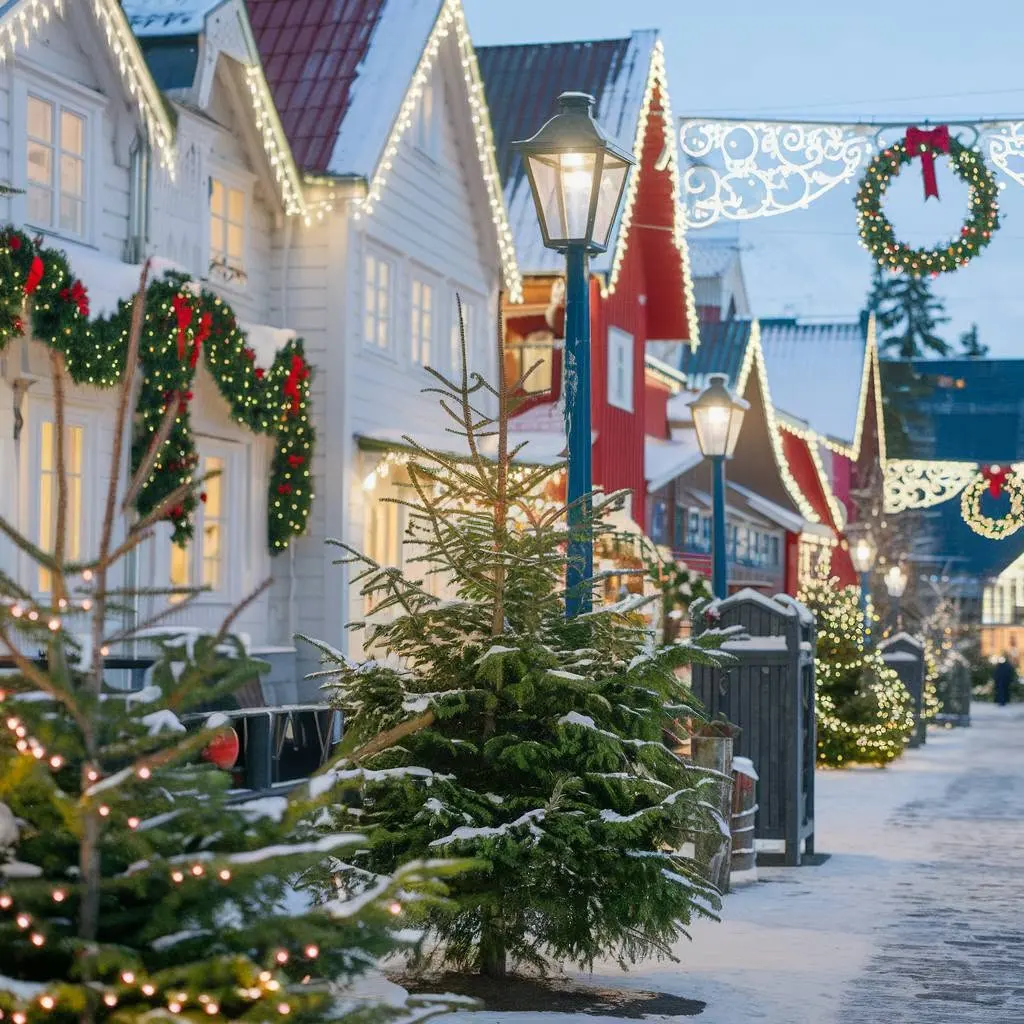

There are places you go for a quick hit of scenery, and there are places where you remember how to breathe. Over the last few years, Croatia has pulled off one of the quietest, most compelling pivots in Europe—shifting from a summer postcard backdrop to a year-round sanctuary for people looking for a life, not just a two-week escape.
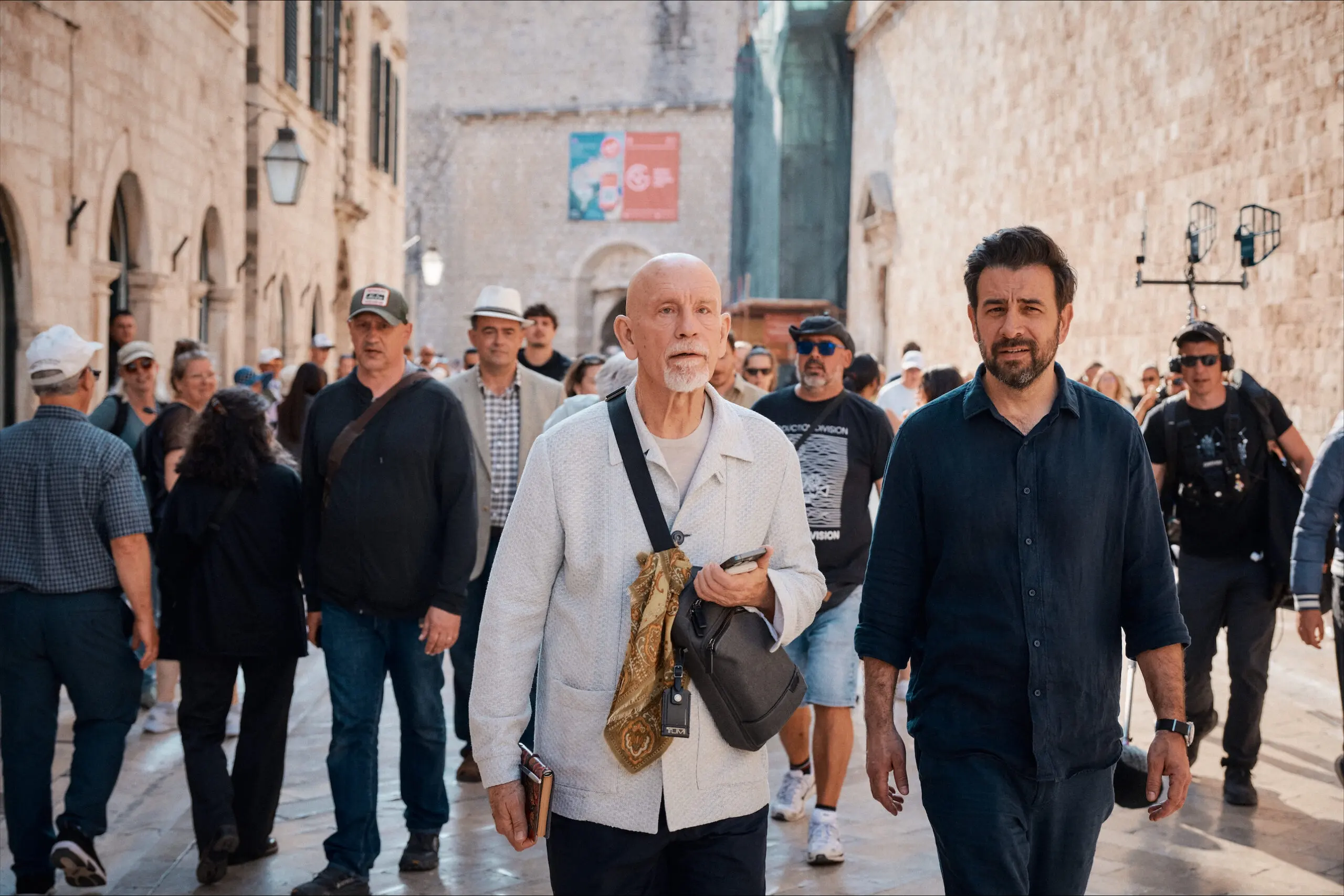
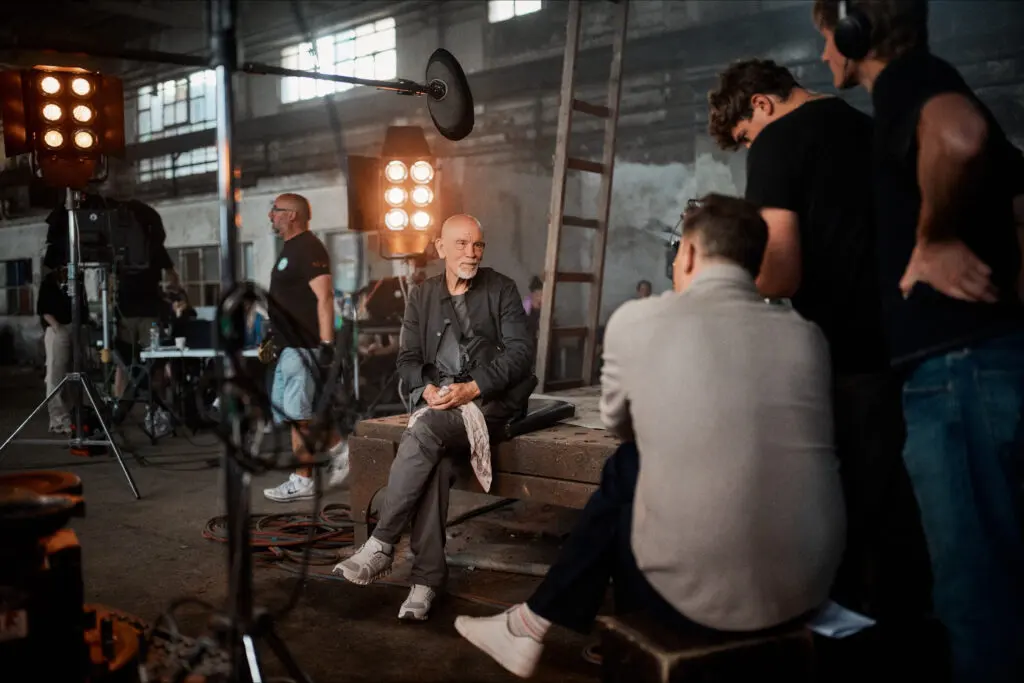
That shift is captured effortlessly in “Croatia — I Hear It’s Beautiful,” the short film starring John Malkovich. With deep Croatian roots of his own, Malkovich doesn’t play the wide-eyed visitor here. He walks the coast without an agenda, without noise, almost entirely in silence. What could have been just another Mediterranean travelogue becomes an intimate portrait of the country known only to those who linger once the ferries empty out: mist clinging to the cliffs, rain-slicked stone palazzos, deserted harbor promenades, and a rare, unhurried stillness. At the center of it all isn’t a bucket list, but fjaka—the Dalmatian art of doing nothing that has quietly become the ultimate modern luxury.
Trading the Spectacle for Stillness
For decades, the Mediterranean was sold as high-volume theater: packed beach clubs, loud waterfront terraces, and a competitive sport for a front-row table. Now, the pendulum is swinging the other way. Burned out by constant connectivity and hyper-scheduled days, people are looking for places where a good morning isn’t measured by inbox zero, but by how the winter light hits a limestone wall.That’s why the off-season Adriatic is having a moment. Away from the glossy August filter, the coast reveals a raw, cinematic side—the sharp scent of wet pine after a storm, impossibly clear water in November, and the feeling that time is finally moving at a human speed.
The New Locals
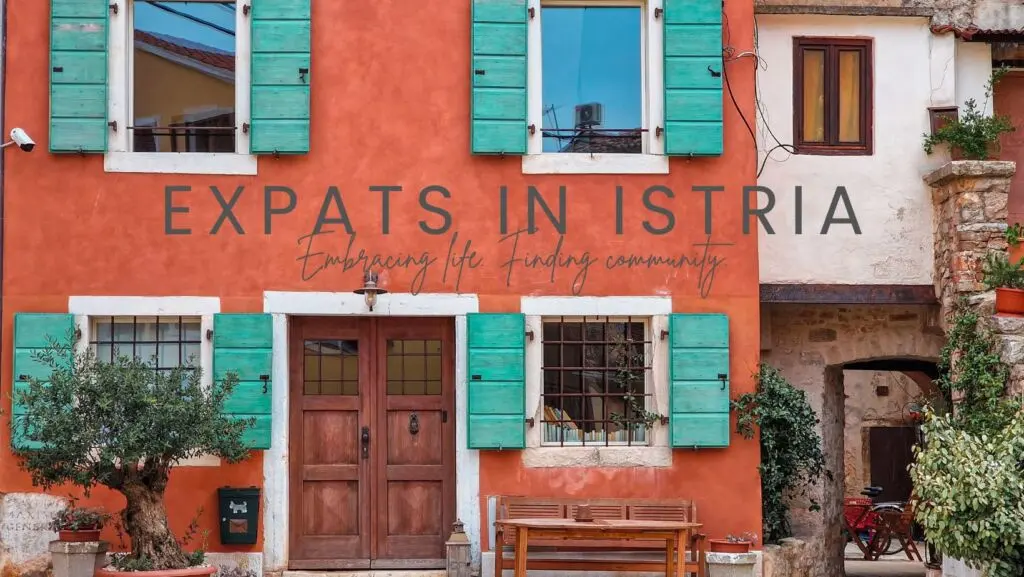
You can see the shift any morning over espresso in Rovinj, Split, Zadar, or a sleepy Istrian hilltop village, where English, German, and Swedish blend naturally with Croatian—right in the middle of January.
Back to stone and soil: More Europeans from London, Munich, and Vienna are trading gray city winters for old stone houses in Istria and Dalmatia. For them, it’s less about real estate speculation and more about a reset—mild winters, tending a small olive grove, and mornings that don’t start with an alarm.
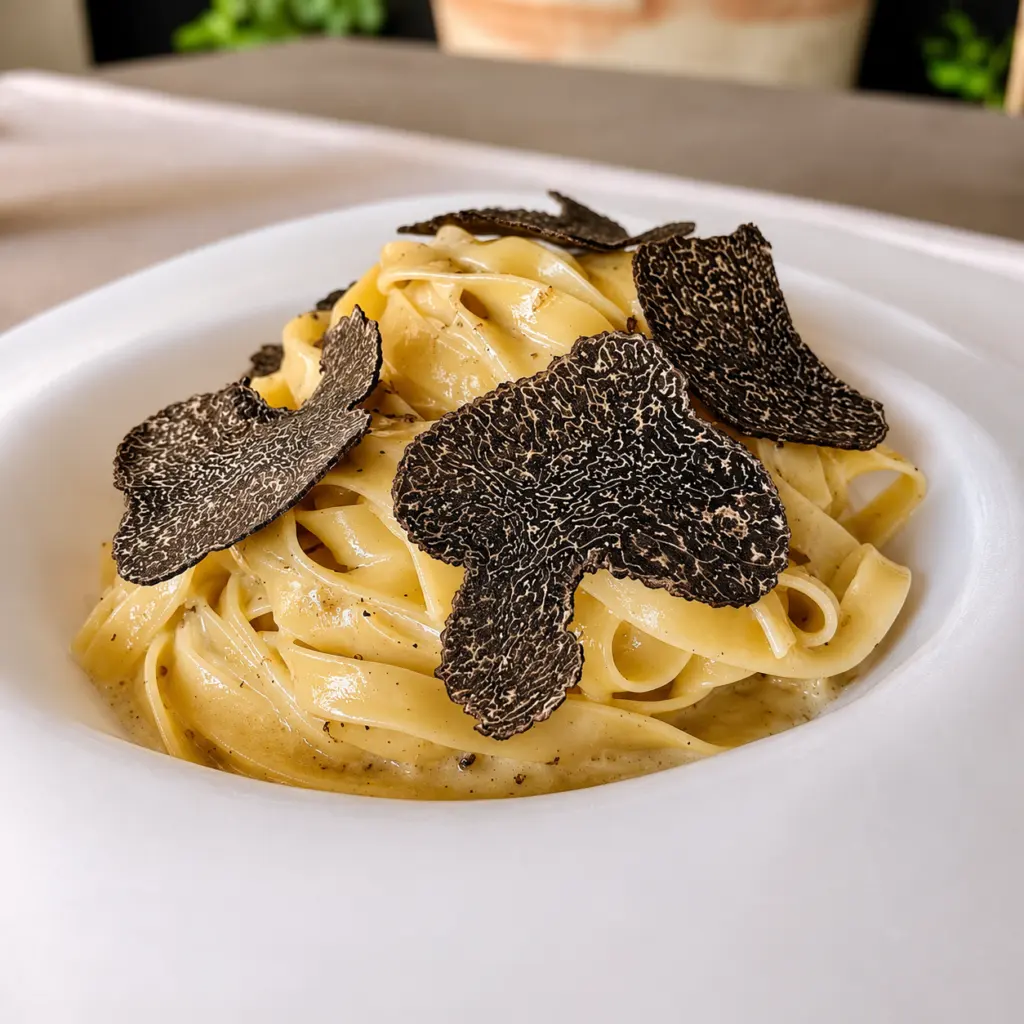
The winter-office crowd: Since Croatia launched its digital nomad framework, coastal towns have taken on a distinctly creative hum. People who can work from anywhere are choosing the Adriatic for a rare equilibrium: reliable fiber internet and serious food culture, minus big-city friction. Seeing a laptop open on a heavy wooden table next to a roaring fireplace in a neighborhood konoba feels entirely normal here.
The invisible luxuries: Ultimately, the biggest draw is what you can’t buy—genuine safety and an unspoiled coastline. In a place where kids still walk to school on their own and the sea remains some of the cleanest in Europe, “quality of life” stops being a buzzword and becomes your Tuesday afternoon.
Croatia no longer pulls down the shutters with the first autumn bura. Films like Malkovich’s simply put on screen what a growing number of newcomers already know: true luxury today isn’t about being seen at the right beach club. It’s having an unobstructed view of the water, a quiet street to walk down, and time that actually belongs to you.
Watch the short film with John Malkovich that nails this exact mood—unhurried, cinematic, and deeply personal.
Images: Hrvatska turistička zajednica