
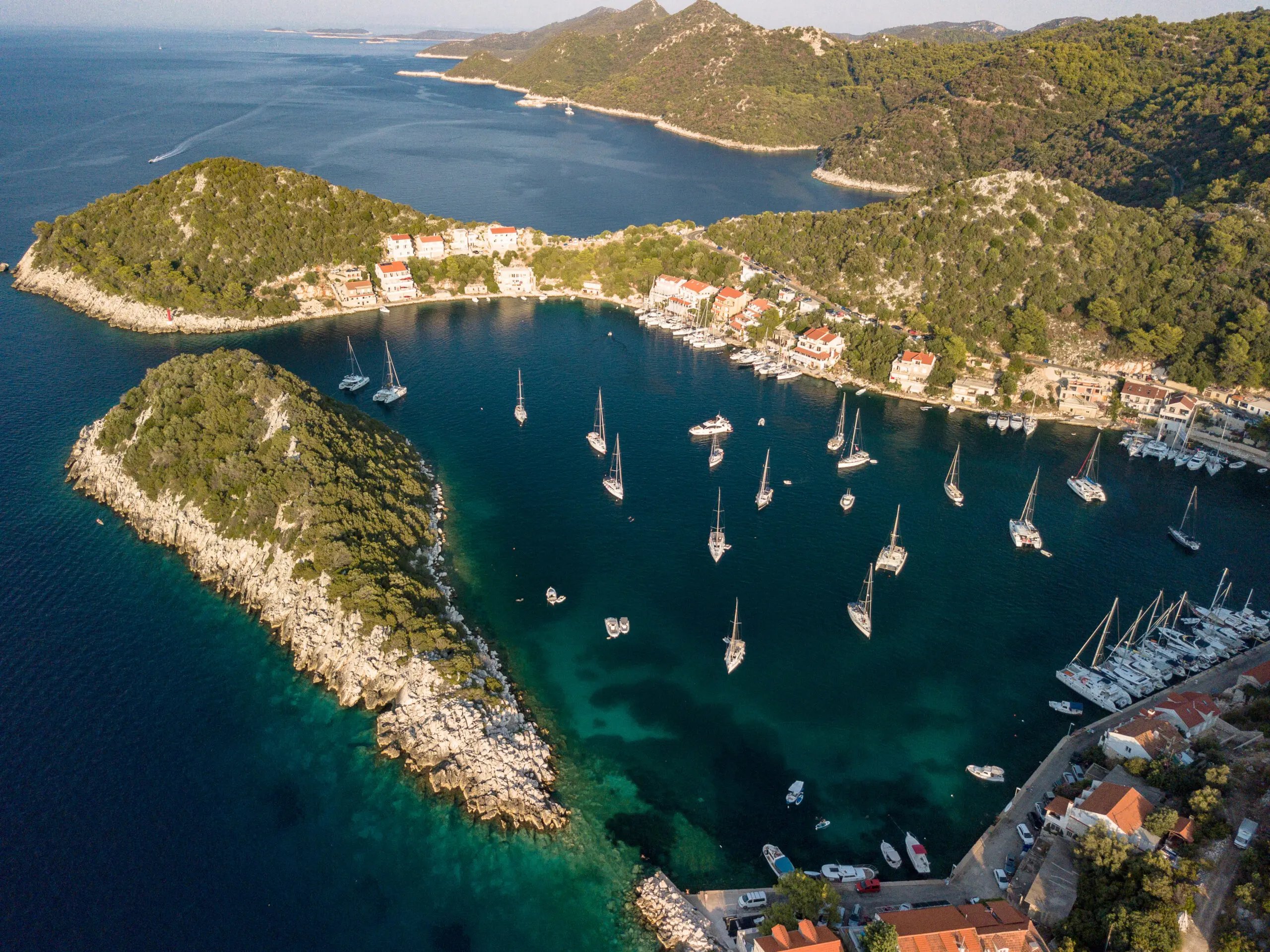
The moment the ferry pulls out of Split and heads for the open sea, the Adriatic shifts gears. The mainland blurs into a pale blue line, phones lose service, and Vis and Lastovo rise out of the water ahead—two islands separated by wind and waves, yet bound by the same history. For decades, both were off-limits: restricted military outposts, strategic dots on a map, worlds unto themselves. That isolation ended up saving them. While the rest of the coast raced toward modern tourism, time stood still out here, leaving behind two of the most unspoiled corners of the Mediterranean.
This isn’t a guide to summer crowds or postcard beaches. It’s about heading out to the edge of the horizon—where Cold War concrete disappears under wild rosemary, and the night sky still looks the way it did before electricity.
Vis: Cold War Brutalism and the Quiet Cathedral of Stiniva
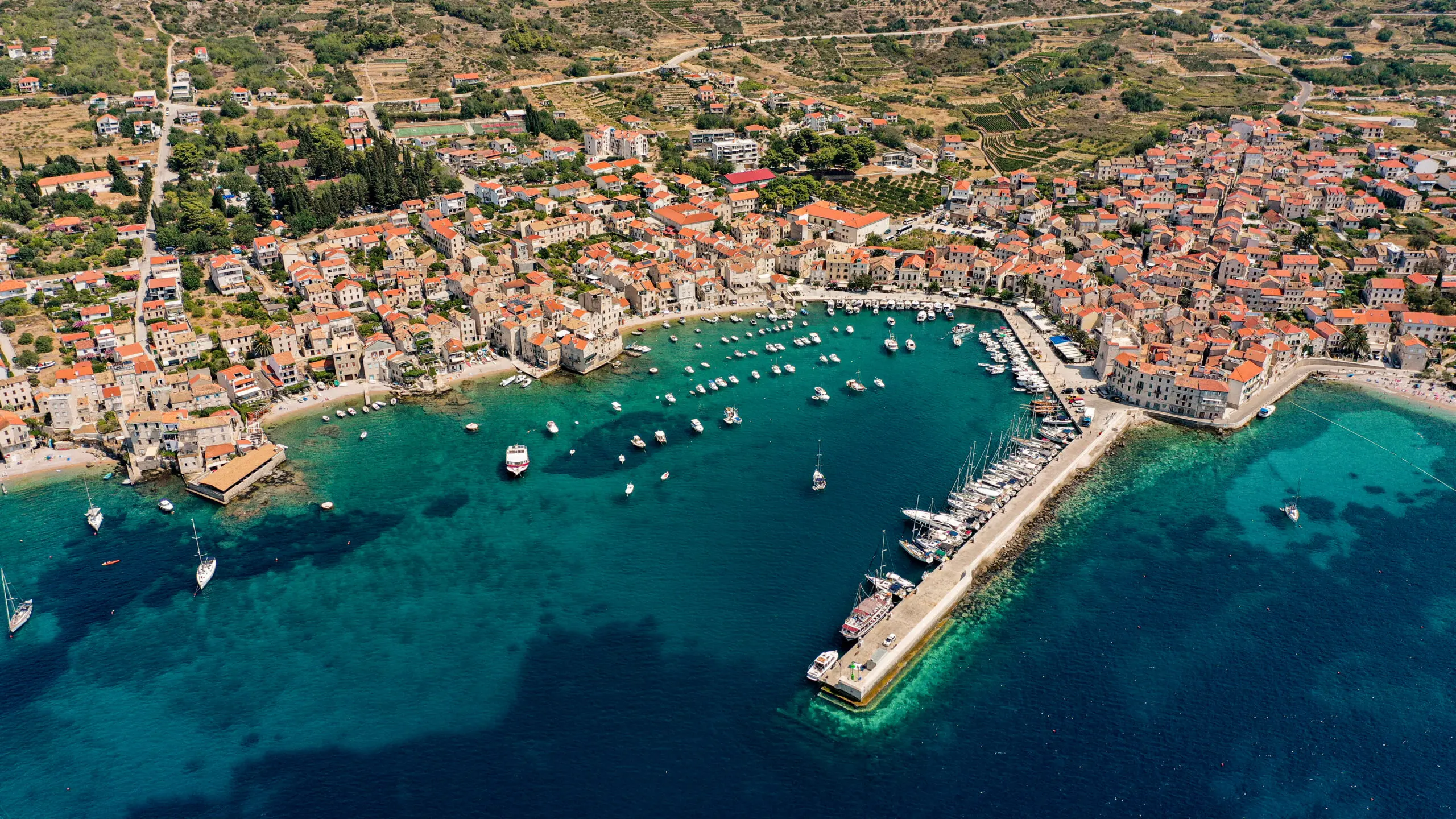
For decades, Vis was an off-limits military stronghold in the middle of the sea, closed to foreigners and left entirely to itself. Today, it moves at a slow, slightly melancholic pace that draws travelers tired of over-curated destinations.
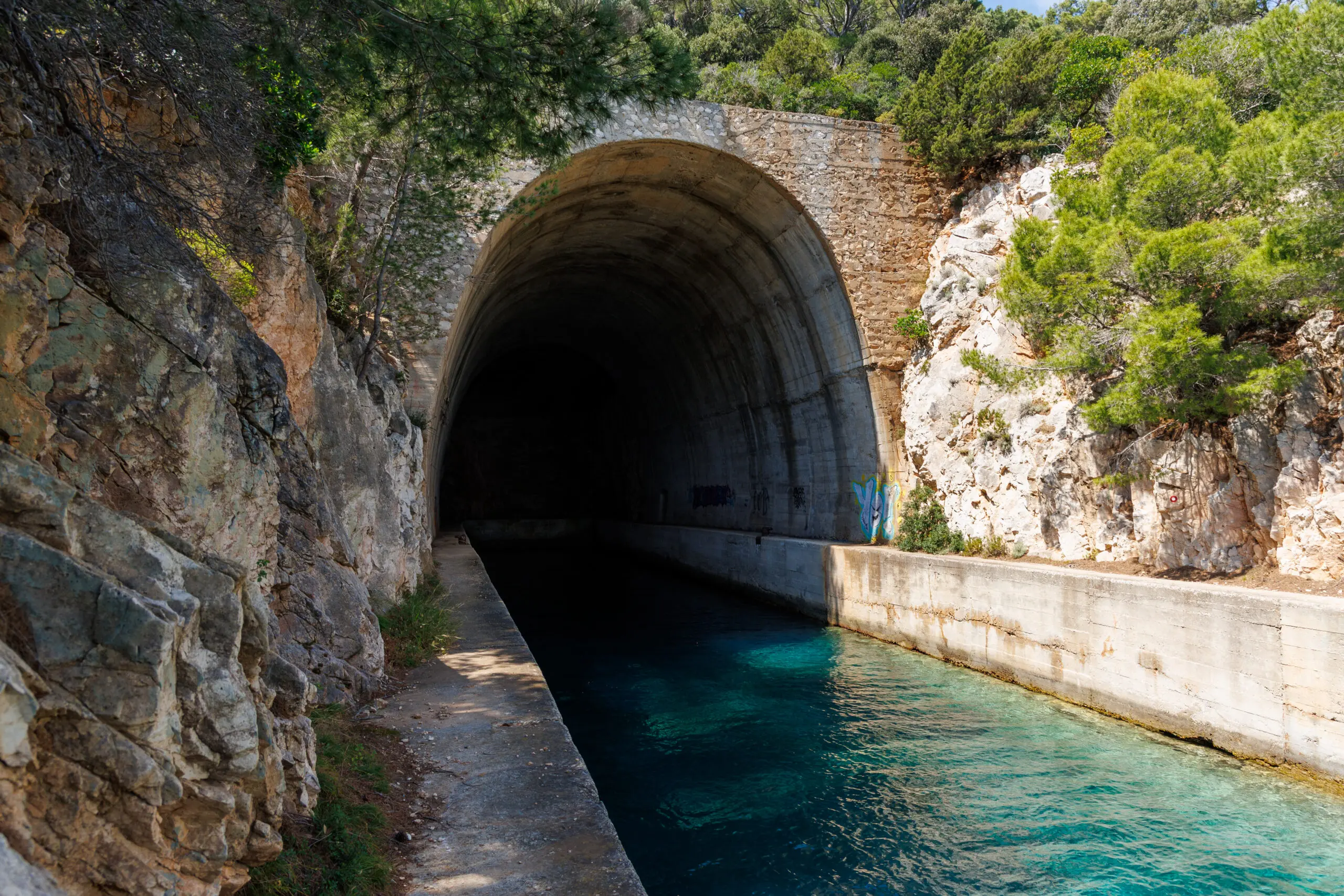
Concrete and Wild Scrub: Turn off the main roads into the island’s interior, and the landscape takes an unexpected turn: subterranean tunnels blasted straight into solid rock, abandoned bunkers swallowed by maquis, and cavernous concrete pens where submarines once hid. That collision of raw, brutalist architecture and untamed Mediterranean greenery looks straight out of a 1970s film set—eerie, quiet, and endlessly photogenic.
Stiniva Without the Boats: Tucked behind towering cliffs and a narrow sea gap on the southern coast lies Stiniva, a collapsed sea cave turned into a secluded cove. In July and August, it’s packed with day-trippers. Come in late autumn or early spring, when the speedboats are gone, and Stiniva becomes something else entirely: a towering, silent stone amphitheater where the only sounds are waves rolling over pebbles and the cry of gulls.
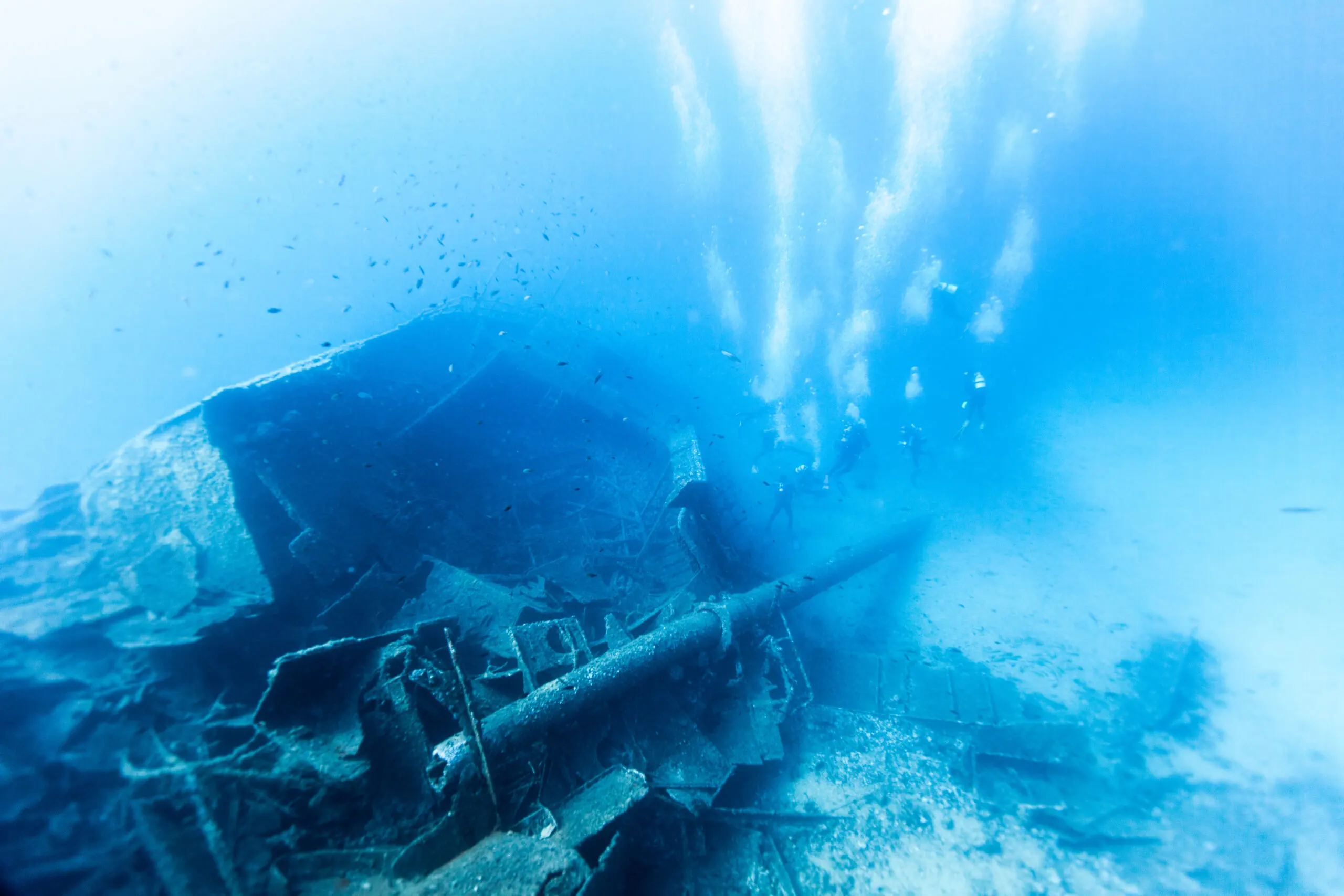
Lastovo: Sculptural Chimneys and Europe’s Darkest Skies
If Vis is defined by hidden military history, Lastovo is pure solitude. Croatia’s farthest inhabited island—ringed by an archipelago of forty-six islets and reefs—is a protected nature park with the quiet confidence of a place completely unbothered by the outside world.
A Town Facing Inland: Unlike most island villages, Lastovo town doesn’t look out to sea. It sits tucked inside a natural amphitheater in the island’s interior, sheltered from pirates and winter gales. Its stone houses hide Renaissance stonework and the island’s signature fumari—whimsical, sculptural chimneys, no two alike, once built as status symbols by local families. Nobody rushes for coffee or lunch here; the sun and the wind set the schedule.
True Darkness: Lastovo is one of the few places left in Europe with virtually zero light pollution. After sunset, the island drops into deep, velvet darkness, and the Milky Way stretches overhead in razor-sharp detail. Walking the empty lanes under millions of stars, surrounded by the scent of pine and the distant wash of the sea, is a reminder of how rarely we ever see a real night sky.
Field Note: Don’t come to Vis and Lastovo with a packed itinerary or a checklist of sights. Pack a good book, sturdy shoes for gravel paths, and a windbreaker for cool evenings along the harbor. These islands don’t ask you to keep up—just slow down, listen to the quiet, and let the horizon take over.
Images: Pexels