
There is a distinct vertigo that comes with trading the hum of a Northern European capital for the salt-crusted docks of a Dalmatian island. We arrive seeking eternal summer—convinced that life is measured in turquoise water, sun-bleached stone, and an unhurried rhythm that feels almost medicinal. But what happens when the tourists leave, the ferries run on winter schedules, and the bura wind strips the coast down to its bare, silent bones?
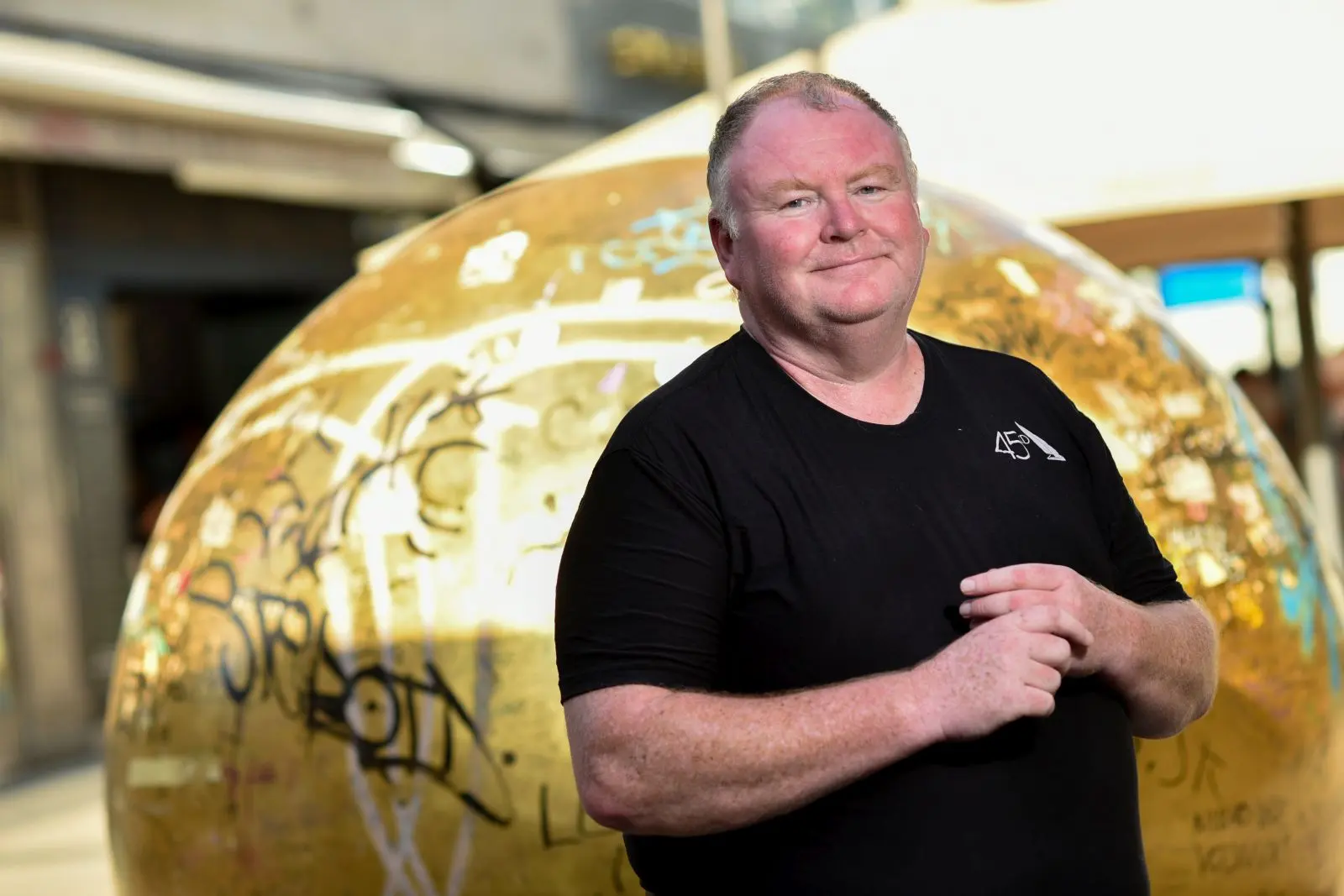
For our November edition, we sat down with Paul Bradbury—Manchester-born writer, speaker, and founder and CEO of Total Croatia News—who has spent over two decades decoding Croatian travel, business, and culture from his early days on Hvar to his current base in Zagreb, after a stint in Somaliland. Best known for his digital channels (Paul Bradbury Croatia Expert and @paulbradburycroatia) and books including Croatia, a Survival Kit for Foreigners and Lavender, Dormice and a Donkey Named Mercedes, Bradbury unpacks the illusions of the expat honeymoon, the unwritten geometry of the café table, the sacred art of doing nothing, and how yielding to a slower tempo quietly alters your definition of success.
The Two-Week Vacation Syndrome & Expat Realities
Fjaka: Paul, over the past 20 years, you’ve witnessed hundreds of expat journeys. What is the single biggest emotional or mental mistake made by people who fall in love with Croatia during a summer holiday and instantly decide to relocate? What happens to that romance when November rolls in, seasonal spots shut down, and the bura wind sets in?
Paul Bradbury: Almost every country looks better on holiday than living the daily grind, and the difference between the two is perhaps starker in Croatia. Most come in summer and probably expect it to be like that all year round—I certainly did; November in Jelsa was a shock!It is quite a big reality check for most, particularly on the coast and islands where most things shut down completely. It makes a lot of sense to do a test run for one to two months out of season before fully committing to the move. It can be quite lonely and isolating otherwise, particularly on the coast.
Fjaka: Moving to a new country often means temporarily losing your established status, network, and sense of control. How did you personally navigate this stage in the early 2000s, and what advice would you give to those who fear becoming a "beginner" again?
Paul Bradbury: This personally was not really an issue for me, as Croatia is the 10th country I have lived in, and I seem to have always started at the bottom. The best advice, I think, is to recognize that things won't work the same as they do back home, and you are just another person in the country. Come without ego and with minimal expectations, and stop trying to compare things to life back home—comparison is the thief of joy.
Fjaka: In your experience, what type of mindset adapts to life in Croatia fastest and happiest, and who will find it genuinely challenging—both mentally and professionally?
Paul Bradbury: New arrivals who want to integrate, learn the language and traditions, take part in local festivals, and get involved in their neighbours' lives adapt the best. Too many, in my opinion, surround themselves in the expat bubble, not speaking Croatian and sticking to the main towns, cities, and islands. Many are existing in a world that has little to do with the Croatian reality, and they miss out on so much as a result.
The Social Code & the Art of Belonging
Fjaka: Expats from Northern Europe or major metropolises are used to strict structures and tight deadlines. In Croatia, attempting to speed things up often produces the opposite result. How did you learn to do business, deal with contractors, and navigate bureaucracy without burning out from frustration?
Paul Bradbury: The culture is completely different, especially in Dalmatia, and trying to force the Western mentality will have the opposite effect. I read somewhere that 56% of all business deals in Croatia are done in the café—a clue to the culture, and another reason why the cafés are so full.Bureaucracy can be a nightmare and not make a lot of sense, but I find that politeness goes a long way. And if you have a box of Bajadera or a bag of coffee, that cannot hurt. Rather than get frustrated by this philosophy, for example, I chose to celebrate it, and I started a blog series on my experiences which proved to be pretty popular.
Fjaka: You often emphasize that the most important decisions in Croatia are made over coffee rather than in corporate boardrooms. What is the unwritten etiquette of this ritual? What should you absolutely avoid discussing during your "first coffee" with locals?
Paul Bradbury: It varies from person to person, but in general, I would say not to start with the business in hand. Croats, in my experience, like to build personal relationships if they are doing business, so start with that. They are also always interested in foreign perceptions and experiences of their country, and almost always like to hear it praised. After that, the business chat can start in a more relaxed environment.
Fjaka: Croatians generally speak excellent English. At what point did your efforts to speak Croatian—even with mistakes and an accent—turn from a mere courtesy into a key that unlocks every door?
Paul Bradbury: Trying to learn even a few phrases is basic politeness when living in another country, and refusal to do so indicates something about the mindset. People here really appreciate it and give encouragement. And obviously, the more you learn, the more you understand about life around you. Not learning some Croatian means you miss out on so much.
Philosophy of Space, Time & Fjaka
Fjaka: How would you explain to a European entrepreneur or creative that fjaka is neither laziness nor carelessness, but rather a form of self-care—a way to reset the nervous system and safeguard mental health?
Paul Bradbury: It is the art of doing nothing, which is actually a lot harder than you think. Seeing a Dalmatian in full fjaka mode is like watching someone on some kind of narcotics. Nothing else matters. It is an out-of-body experience and not to be interrupted.
Fjaka: The Croatian lifestyle thrives on elemental pleasures: fresh fish from the market, olive oil, a casual chat with a neighbor, an evening đir. Why do you think Croatia is so uniquely suited to restoring one’s appreciation for this kind of "micro-luxury"?
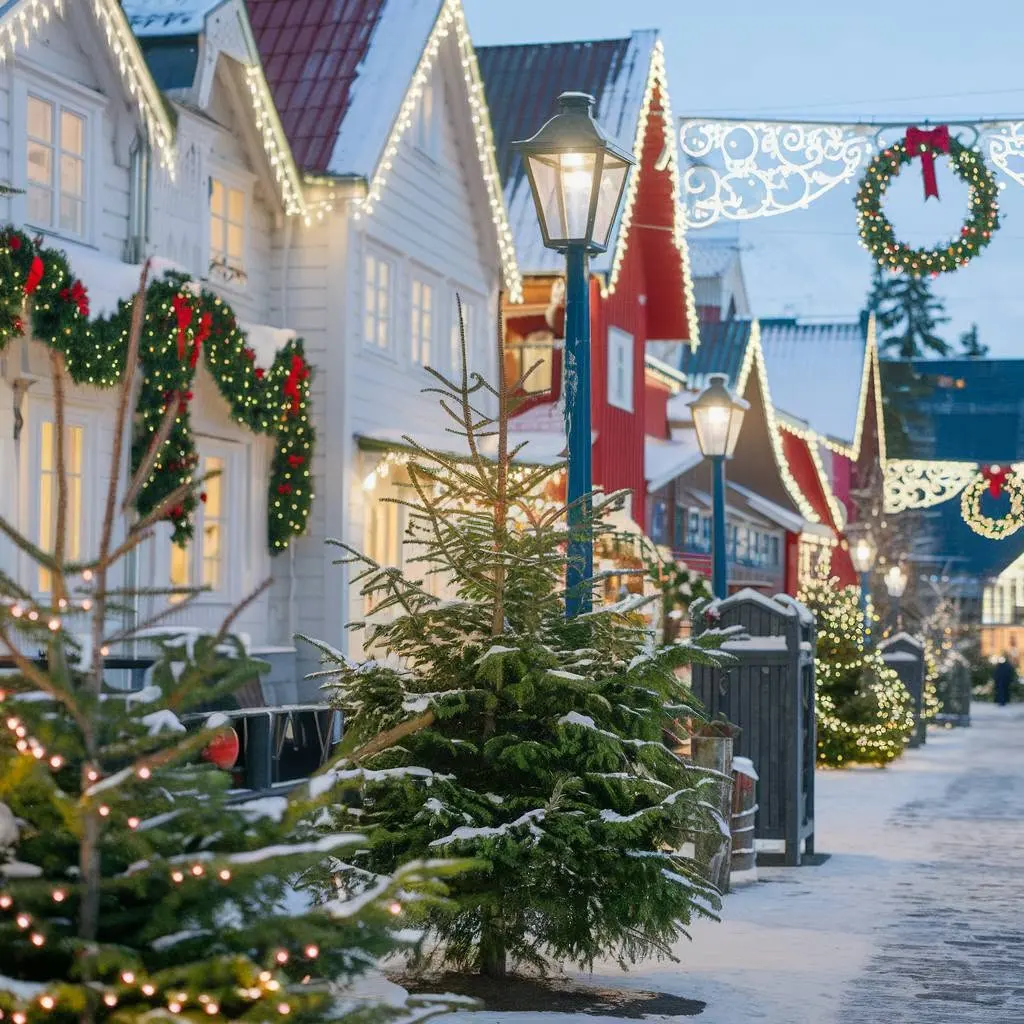
Paul Bradbury: When I first moved to Jelsa in 2003, the Christmas tree in the main square went up on December 15. Christmas Day was one present each and an excellent lunch, and Christmas was over. It was SUCH a refreshing change from the commercialism of the UK. Most people in Croatia don't have a lot of money, and they have come to appreciate what they have, from the fresh local food to the outstanding nature, to making your own olive oil, wine, and rakija. I have never come across a nation that talks about food as much. A much healthier outlook on life.
Fjaka: Does the local ease ever become a trap for ambition? How do you personally balance this relaxed Southern tempo with running a major media platform?
Paul Bradbury: I think perhaps it can for some, although I am not sure how long people stay in fjaka for. I think the easy cash from apartment tourism is more of a trap for ambition, personally. But more and more, those who want to, do. Still, there are many more who are very comfortable with a life of tourism rental income and looking after their fields. It is a very comfortable and stress-free existence.
Creating Value, Digital Nomads & the Future
Fjaka: Croatia was a pioneer in introducing the Digital Nomad visa. How is this influx of international creative talent altering the country's fabric, and how can we maintain a balance between globalization and local authenticity?
Paul Bradbury: Croatia is an excellent destination for digital nomads, and I am proud of the part I played in bringing the visa to Croatia (only the 5th country in the world at the time). For me, the main attractions are safety, lifestyle, and authentic experiences.I don't think it has had a significant effect yet, but I do see signs of the positive mindset of these digital nomads rubbing off on the younger population, showing Croatia's youth that this is a country of opportunity, not emigration. And the digital nomad age means that many Croats can now stay in the country and earn abroad, which means they are starting families here rather than abroad.
Fjaka: In which sectors or niches in Croatia do you see the greatest need for fresh ideas, international expertise, and high-end service standards today?
Paul Bradbury: Medical tourism is one of the great untapped jewels of Croatia, which is very much towards the top of the global league in terms of excellence. Croatian agriculture used to feed the region, and there are opportunities there. The entrepreneurial class is developing nicely, and Croatia now has three unicorns, but the potential for more is huge.
Deep Personal Evolution & The Point of "Home"
Fjaka: How has living in Croatia transformed your definition of success? What did "being successful" mean to you 20 years ago in the UK, and what does it signify to you today?
Paul Bradbury: Back then, perhaps money and a career; today, health and happiness, as well as a relaxed lifestyle.
Fjaka: At what exact moment did Croatia cease to be an "interesting life experiment" or a "beautiful base" and become your true Home?
Paul Bradbury: Probably when I met my future Croatian wife, and definitely with the arrival of my two kids. Croatia is such a good place to bring up kids.
Fjaka: If you could gather every foreigner currently packing their bags for Croatia in one room, what is the single biggest misconception you would warn them against?
Paul Bradbury: Living in Croatia is not like the summer vacation, and things do not work like they do at home.
Editorial Blitz—Micro-Moments
A Cinematic Still: Leonardo and Kate at the front of the Titanic, as I am on a Jadrolinija ferry to Hvar.
The Funniest Misstep: After a very boozy lunch, we announced that we had to leave, and the host suggested a putna—one for the road. I agreed, then took the bottle of beer, waved goodbye, and got in the passenger seat of the car. A beer as my designated driver took me home sounded perfect. I had not realized that I was supposed to have the putna (and probably several more) at the table!
Soundtrack of Croatia: The Adriatic Sea.
Morning Ritual: Going to a café.
Croatian Wisdom: Ko to more platit ("Who can put a price on this?").
Advice to Your Past Self: Carpe diem. Be curious.
Images: Paul Bradbury