
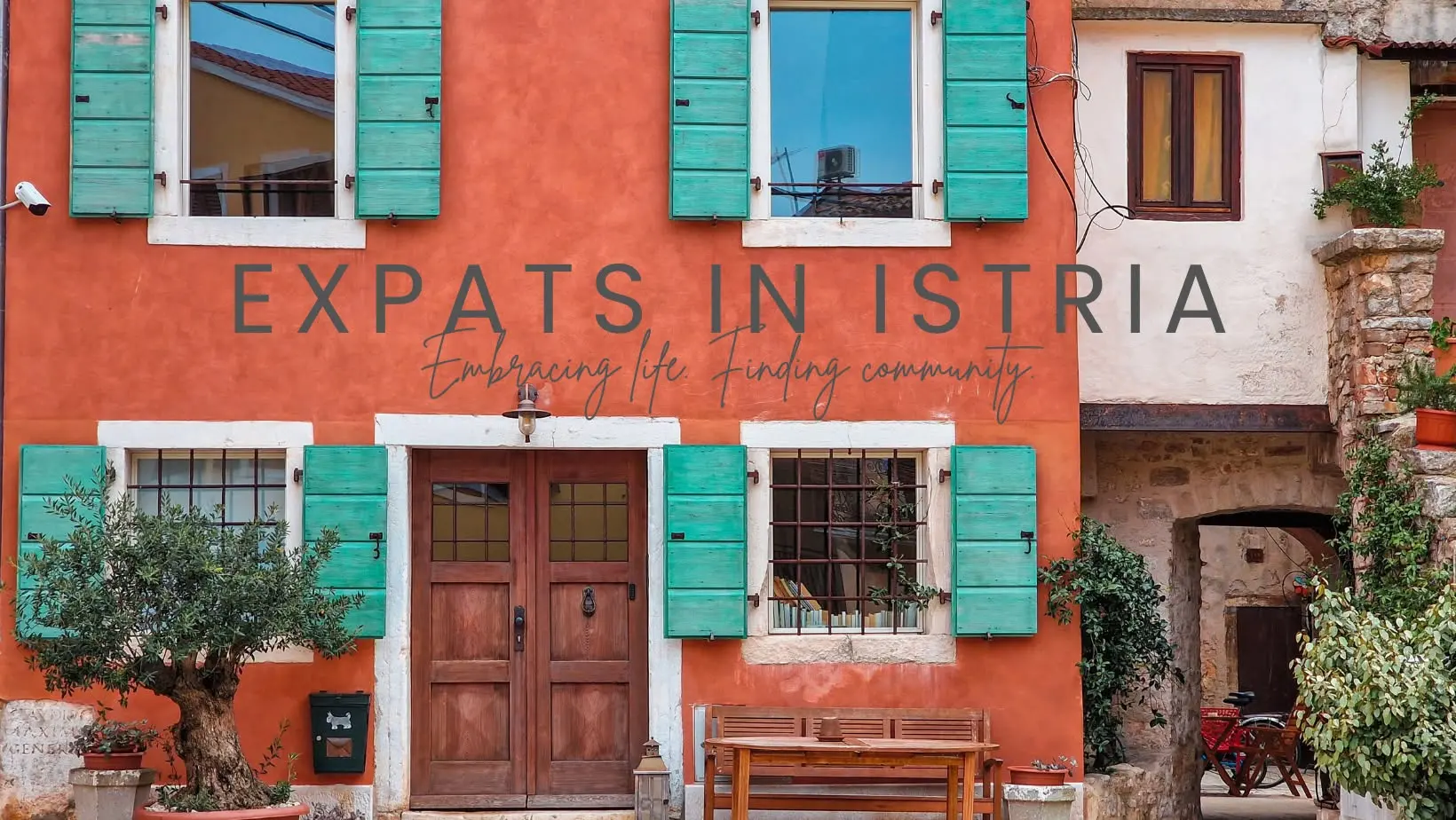
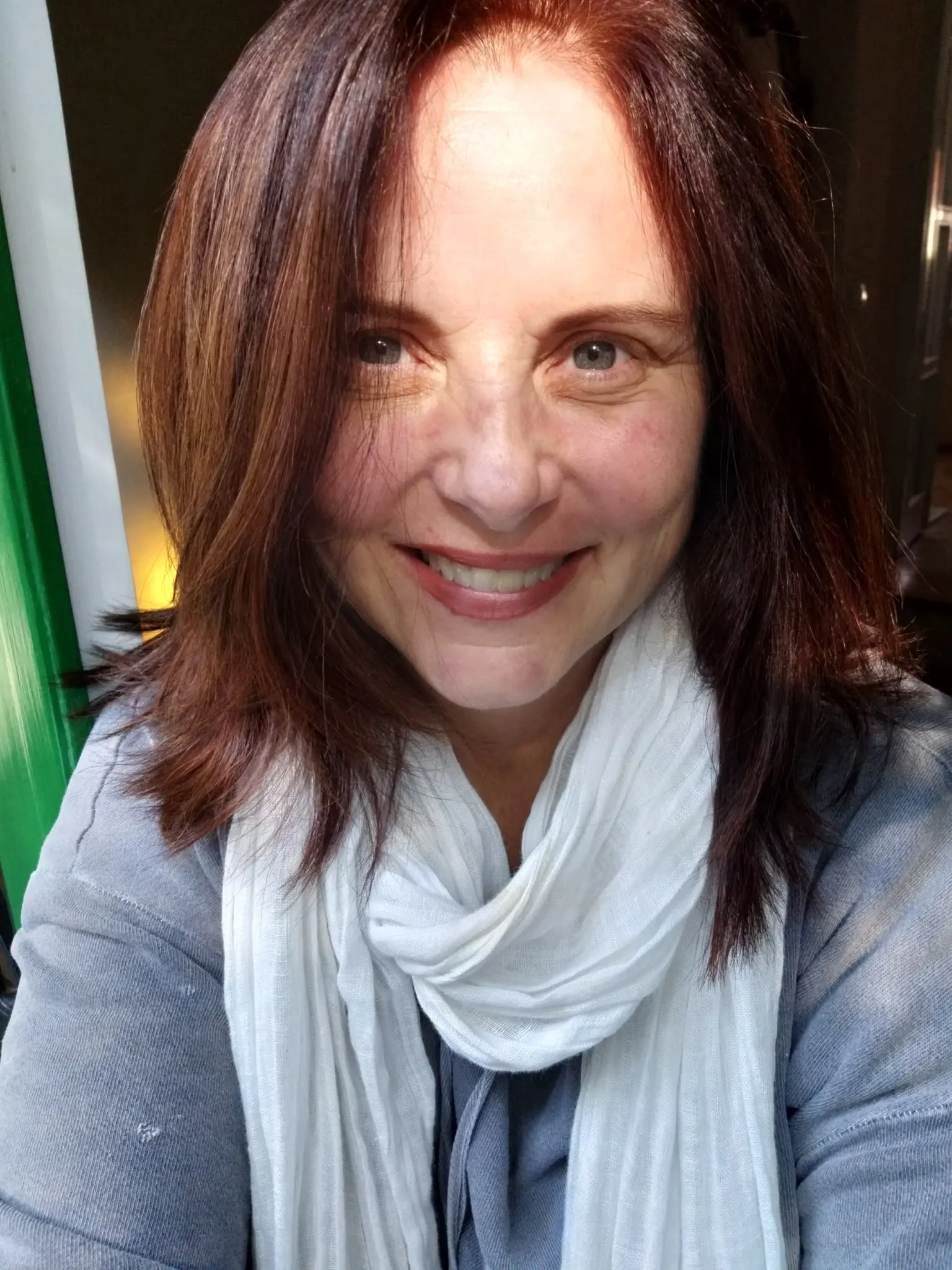
Moving to a new country is one thing; learning how to truly belong there is another. When American expat Melissa Paul first laid eyes on the hilltop town of Labin over a decade ago, she knew she had found her home. Since then, she has dedicated herself to helping fellow newcomers find theirs.
As the co-founder and admin of the thriving community Expats in Istria and the creator behind catsoflabin, Melissa turns online conversations into real-world connections—from forest group walks and book clubs to home-cooked dinners and neighborly glasses of rakija. We sat down with Melissa to talk about falling in love with Istria, overcoming the quiet loneliness of relocation, and why slowing down is the greatest gift the peninsula has to offer.
Falling in love with Istria and how the group began
Fjaka: What was your personal moment of falling in love with Istria? When did you realize you were staying for good, and what inspired you to start gathering other newcomers?
Melissa Paul: I first visited Croatia in 2012, and I fell in love almost instantly. It was the warmth of the people, and a deep sense of peace from the natural beauty and the history all around me. I was married to a Croatian American at the time, and in 2014 we moved to his family's home on the island of Krk. From there we house hunted for months across the whole top half of Croatia, from Varaždin and Zagreb to Rijeka, Crikvenica, Zadar and Istria.
Then I saw Labin. Once I saw the historic hilltop town, in its lovely position above the sea with Rabac below, not to mention the beautiful home in the center of the old town, I cried and knew it was where I wanted to be. We moved there in 2015, and I've lived here ever since.
What has kept me here are the layers of community I have built, and nurtured, over the years: other expats and foreigners, my neighbors and local friends. That sense of belonging runs deep, and it rewards me with a kind of support and belonging I never found in my home country.
As for gathering other newcomers, I believe in creating what you need. There were expat groups around Rijeka, but nothing in Istria. So in April 2017, I started one.
Fjaka:How did the group come to be, and who is behind it?
Melissa Paul: Expats in Istria launched in April 2017 as a Facebook group, which I co-founded with Isabel Putinja, a fellow foreigner and a Croatian-Canadian. We celebrate our 10th anniversary in April 2027. The Facebook group is still the heart of the community, and around it we now have an Instagram account, Expats in Pula and Expats in Labin WhatsApp chats, and, from January 2027, an Expats in Labin website. I'm the admin, supported by two or three moderators who help with membership approvals, event planning and member support.
As for the name, we call ourselves Expats in Istria because "expats" is the word people most often search for online, and we want anyone looking for us to find us easily. In reality, we all know we are immigrants and foreigners.
Fjaka: Did it grow out of your own need to find your circle, or was there a team involved from the beginning?
Melissa Paul: It was my idea, and honestly it started as a selfish need. But I knew that if I needed it, others did too. Isabel felt the same way. Having an international team manage an international group brings a variety of perspectives, and I felt that was important for the health of the group. I'm the only constant. Our moderators usually change every two or three years, which brings new energy and fresh perspectives as the group grows and our members' needs change.
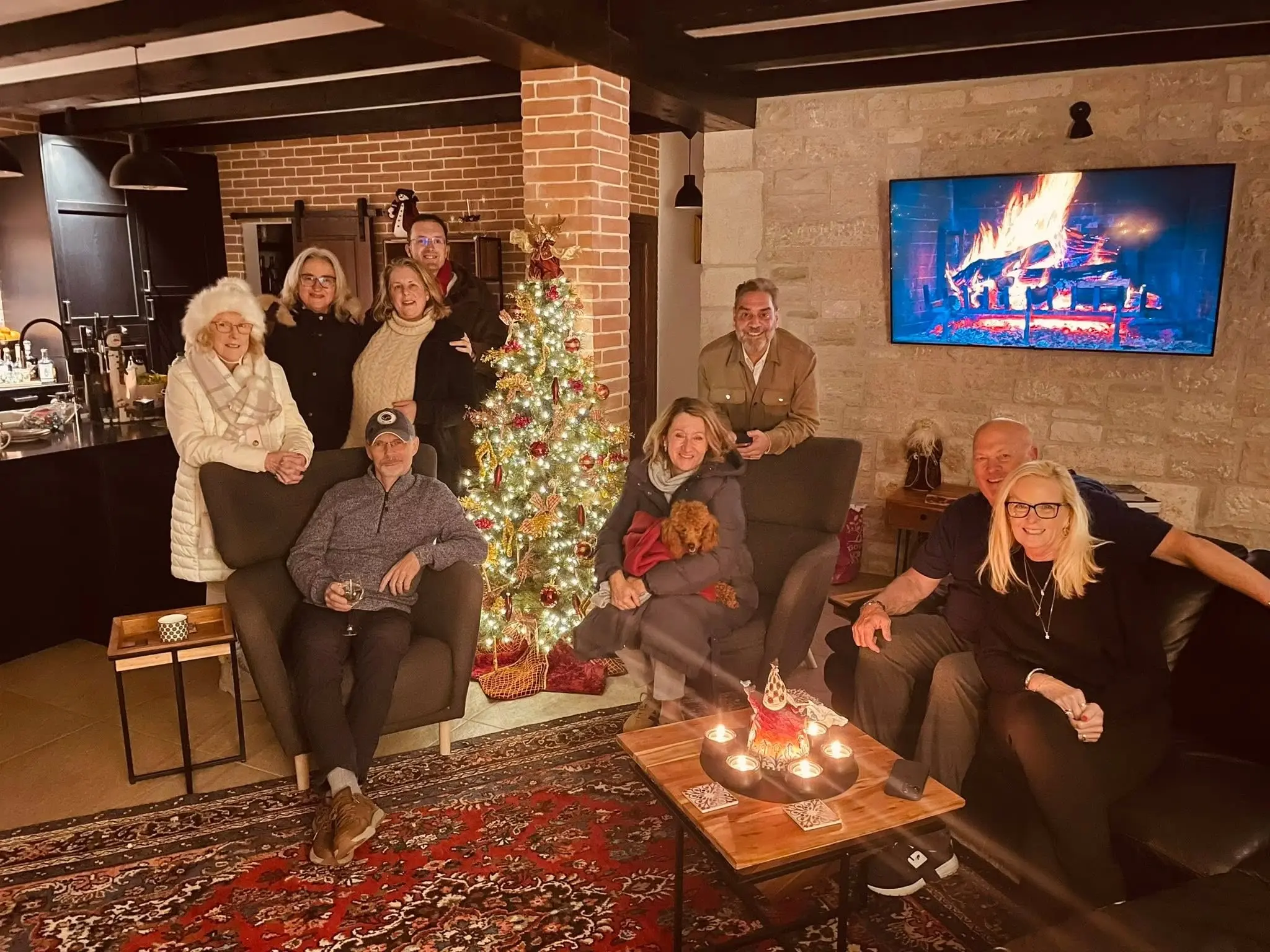
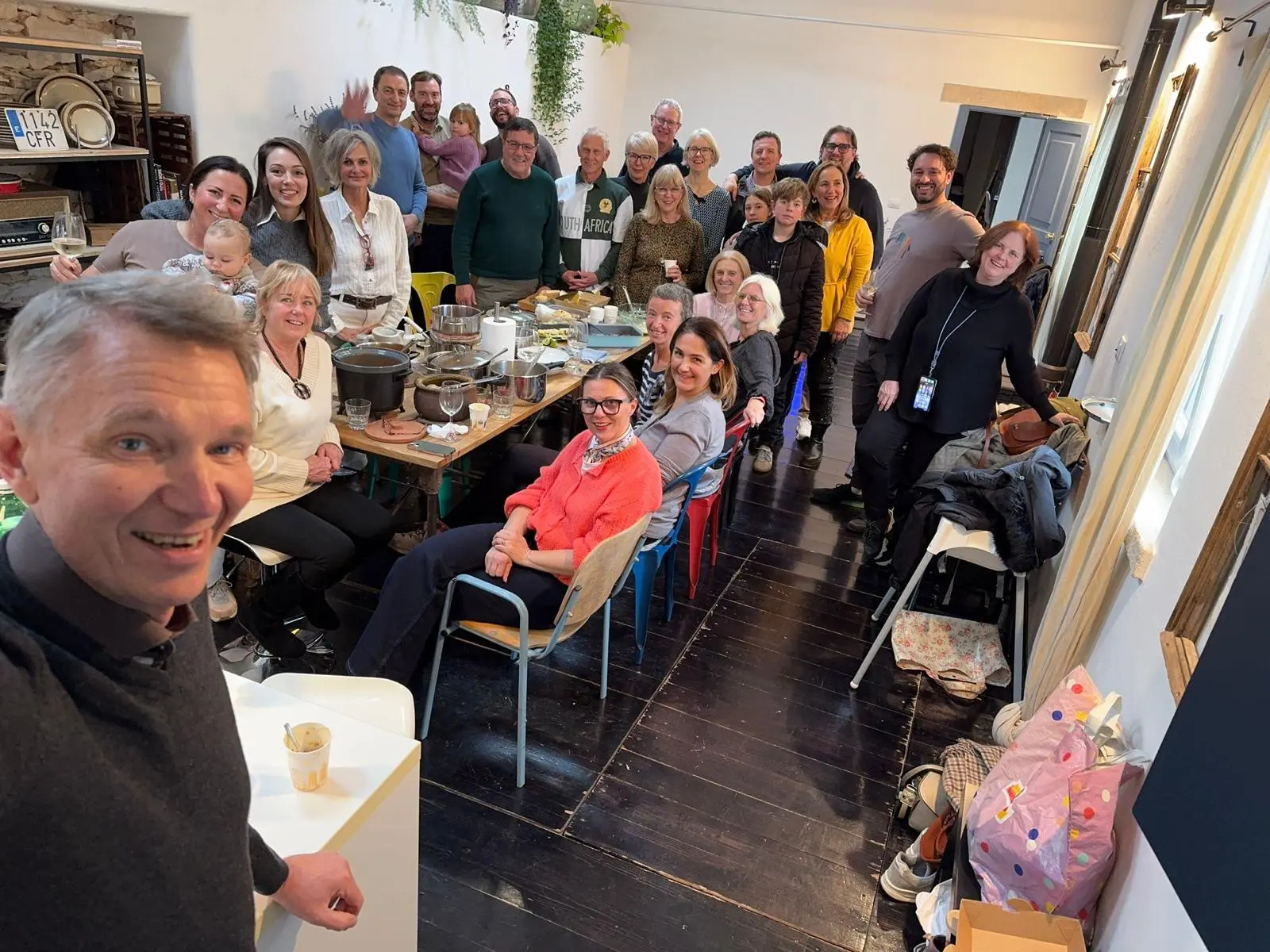
Over time the community has grown well beyond the computer screen. Today we have forest bathing walks, group walks and hikes, a book club, coffee and cocktail meetups, at-home dinners, gatherings at local festivals and concerts, a Creative Circle for members who are artists and makers, food and wine events, SMAK (our Single Malt Adriatic Klub), a monthly Scotch group led by David, and even a Dogs with Expats in Istria group.
Portrait of the community and the geography of life
Fjaka: Who makes up the core of the community today, in numbers and in spirit?
Melissa Paul: We have 2,240 members, and around 300 of them are active year-round. About 60 percent are women and 40 percent men, and the average age is 44 for the women and 51 for the men. The numbers matter less to me than the spirit, though. The heart of the group is people who chose Istria on purpose. They are curious, they want to belong rather than just pass through, and they are generous with what they've learned. The same faces show up to help a newcomer find a vet, to bring a dish to a potluck, or to cheer on a member's first art show.
Fjaka: Who are the people choosing to make Istria their home?
Melissa Paul: Most of our members come from the United Kingdom, the United States, Germany, the Netherlands, Italy, Australia and Canada, along with returning Croatians who may have lived all over the world. We speak English in the group, since it's likely the most commonly known language, though it's certainly not everyone's first. Among our members are remote workers and digital nomads too, with more of the former than the latter. Many, like me, live here with one foot elsewhere. They come and go because of residency rules, businesses, or family obligations to parents, children and grandchildren. But they make Istria their priority, because once you've lived this way it's hard to imagine anywhere else.
Fjaka: How is expat life distributed across the peninsula?
Melissa Paul: About a third of our members live in and around Pula. As Istria's largest economic center, it offers public transportation, schools, the university, the hospital, services and more jobs. The other two thirds are scattered across the rest of the peninsula, with Poreč, Rovinj and Labin following, in that order. Motovun has a devoted foreign community of its own, and the northwest corner of Istria is very popular with our Italian, British and Slovenian members.
Getting around is mostly easy. The Istrian Ipsilon connects the peninsula and carries you up into Slovenia and Italy too. The one hiccup is public transport, which keeps shrinking. For members without a car, or those already fighting isolation, staying involved takes more effort. We spread our events from one side of Istria to the other to make it easier for members to join.
There's still work to do. I'd love to see more meetups happening in the Buzet and Pazin areas, and that's high on my list.
Fjaka: Which towns and villages are drawing the most new residents right now: coastal hubs like Rovinj and Pula, or the quiet interior?
Melissa Paul: Pula draws the most, at least in the beginning, because it's the best place to start. Once members have had a chance to learn and explore, many choose to move on to other places, or further out to the suburbs of Pula, such as Vodnjan, Štinjan or Fažana. After Pula, Poreč and Labin seem to be ever-growing and expanding. Most people want to be near the coast, and often only budget stands in the way.
Interestingly, the most recent requests from new members about where to live ask for both. They want to be near the beach, but they also want peace and rural beauty. Istria is one of the few places where you can genuinely have both, often within a 20-minute drive.
Over the decade I've lived in Labin, I've also watched interest in the greater Labin area grow steadily. People are discovering its year-round appeal: good services, housing that's more affordable than on the western coast, beautiful beaches and public transportation. It also sits halfway between Rijeka and Pula, so medical care, education and culture are within reach in either direction.
Integration, everyday life and the Istrian way
Fjaka: What is the greatest value of your community in day-to-day life?
Melissa Paul:Knowing you're not alone. Someone in the group has almost always been through what you're facing, and that includes residency. Members share their own experience with similar situations, which can calm a lot of anxiety. They also point each other to local services, such as notaries, attorneys and official bodies, that can help through the proper channels. When you're living in a completely new culture and system, being of service to one another can make the difference between making this work or not.
We help with the everyday things too. Members recommend local services, stores and vendors they trust. We post holiday heads-ups on what will be closed and what to expect, because those practical answers make daily life so much easier.
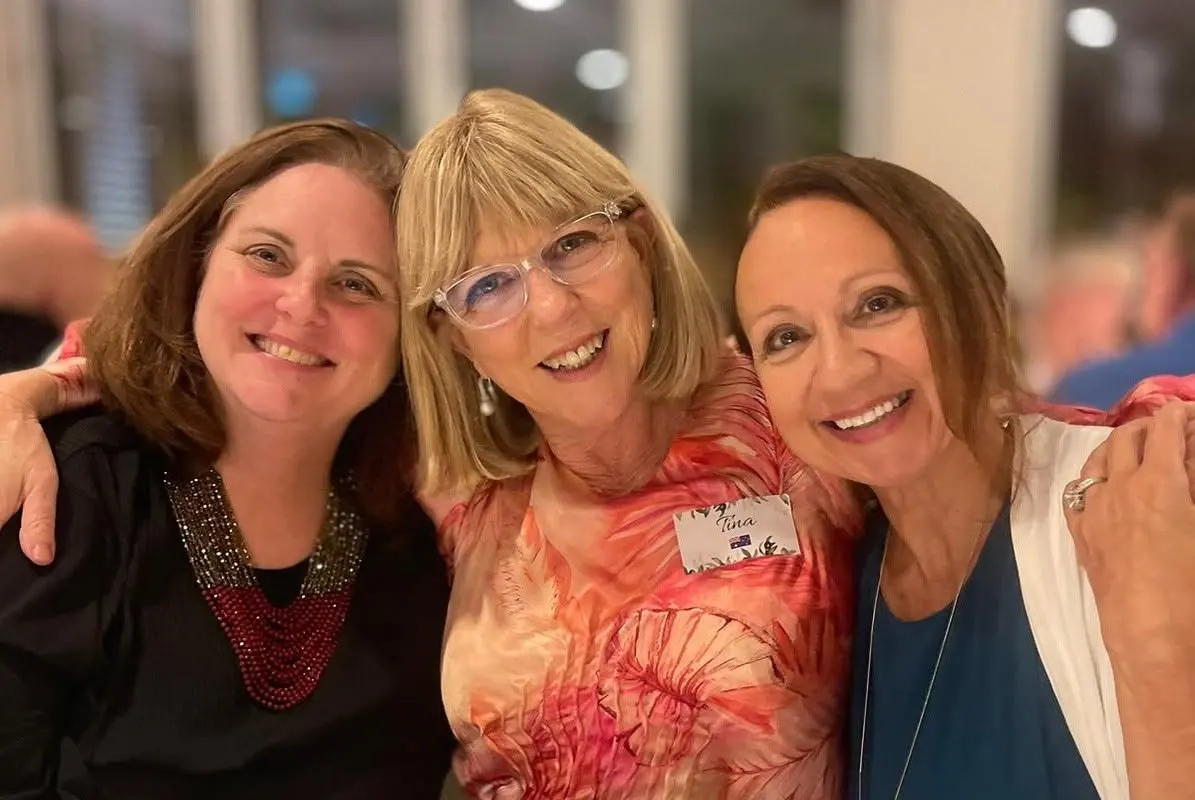
Most of all, everyday life is simply better when you can meet other foreigners and returnees. Many of our members have made lifelong, deep friendships, the kind that become family. I know I have. It starts with meeting for coffee, or calling when you happen to be nearby. You may come to group events at first to meet people and learn about the region, but that's usually how you find your people, too.
The group is for foreigners, and that's deliberate. I wanted it to be a safe space where people can ask for support without judgment, whatever they're going through. That includes many returning Croatians who have lived abroad for years and come home but want to stay connected with people who are from outside Croatia. They often feel they are straddling two worlds too, and they fit right in. There's also a lovely pay-it-forward spirit. If the group helped you find friends or get the information you needed, you can do the same for the next person, whether they've just arrived, are thinking about moving here, or are a member going through something challenging. That's a beautiful way to be of service to one another.
Fjaka: Beyond paperwork and logistics, how does the group help newcomers overcome the quiet loneliness that often follows a move, and tune into the local rhythm?
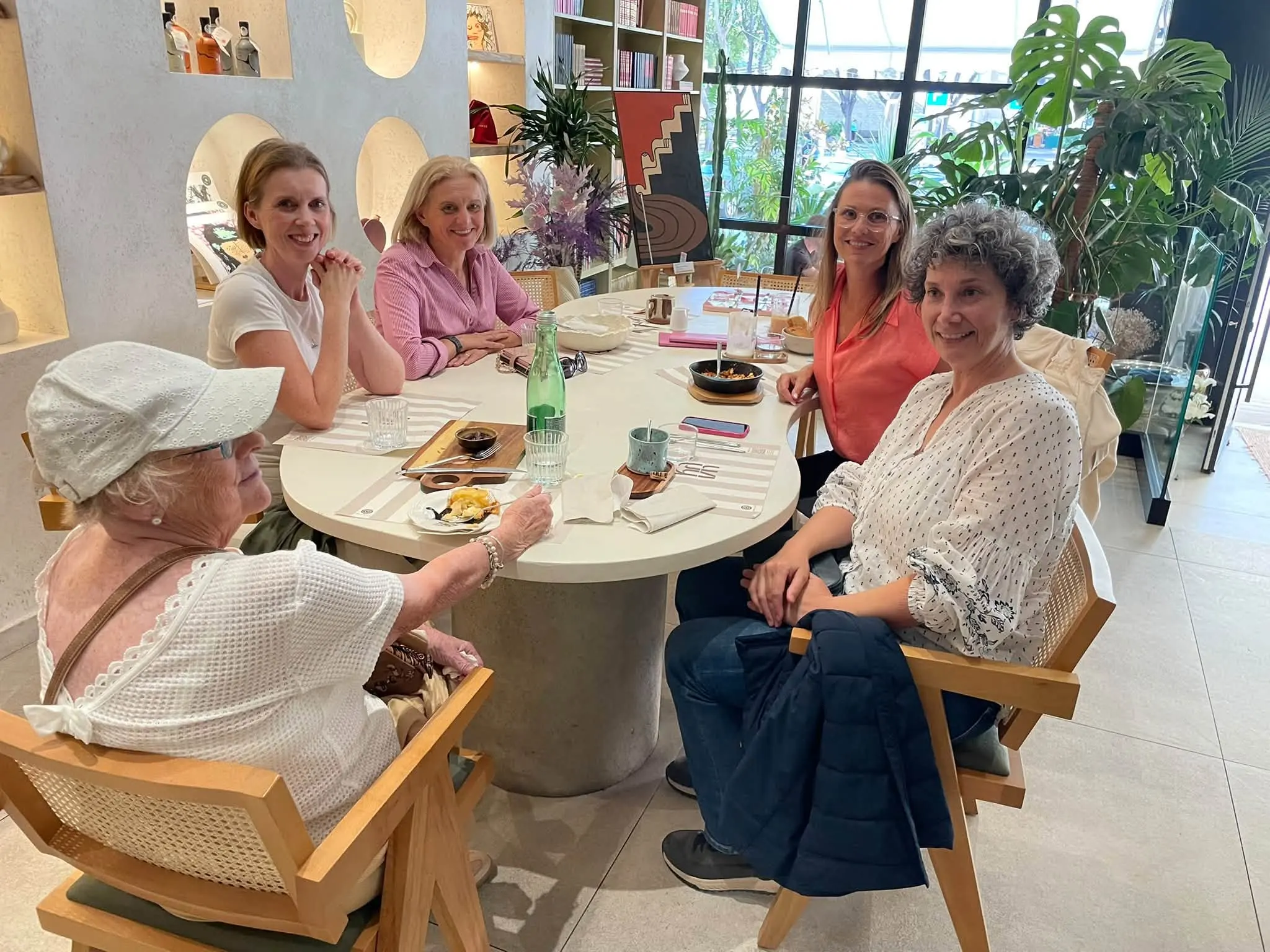
Melissa Paul: By getting people off their screens and helping them meet each other in person. Loneliness doesn't ease in a comment thread. It eases when someone saves you a seat or a place. That's why so much of what we do is in person: forest bathing walks, hikes, coffee and cocktail meetups, book club evenings, at-home dinners, potlucks, and outings to local festivals and concerts. Our sub-groups help too, because it's much easier to walk into a room when you already share a love of painting, cooking, books, padel, sailing or rock climbing. I'm also starting a weekly Meet a Member feature, so people can put faces and stories to names before they ever meet.
Fjaka: Is there a particular story from the group that has stayed with you and best captures its spirit?
Melissa Paul: One recent story that has stayed with me is our Creative Circle. It started in 2023, with artists and makers getting together over coffee. Before long it had grown into a real Arts & Crafts Summer Fair, with nine of our members showing and selling their work side by side. Watching people who first met over coffee stand behind their own tables, cheering each other on, is exactly what this community is about.
But some of the stories that move me most are quieter. Over the years, so many members have shown up for each other: helping one another through illness, delivering food and medicine during the pandemic, visiting each other in the hospital, offering to translate in government offices, giving rides to events, or simply welcoming a new member into their home for a visit. When you're far from family, that kind of care means everything.
Fjaka: What do expats learn from the locals, and what do they bring to the table themselves?
Melissa Paul: What I hear again and again from foreigners who choose Istria is this: slowing down, community, people first. That's what we learn from the locals. We appreciate the coffee culture, where you don't have to spend a lot of money to spend time with others. Neighbors stop by and help each other. They offer a hand with the harvest, or share a glass of wine at the end of the day. There's the evening walk. And nobody defines you by what you do, only by who you are as a neighbor and as a person.
In return, we offer a new perspective, and an appreciation for things locals may no longer see, like the history all around us. That's part of why I've started sharing old postcards of the region in the group, with the Italian and Croatian place names side by side. We also love it when members see a need and start a local business, which is no easy feat in Croatia! Blue Box Storage, Tako Taco, Doma Istria Cat Rescue, Theodora Wine Bar and Handmade Istria are just a few, and there are so many others.
Fjaka: How does that cultural exchange unfold in a region where tradition and taking things slow are a way of life?
Melissa Paul: Slowly, and that's the point. You don't integrate in Istria by rushing. You integrate by showing up at the same café, greeting your neighbors every morning, buying from the same market stall and learning a few words of Croatian, and Italian, along the way. Over time the nonas and bakas start feeding your cats and the man at the konoba remembers your order. Our group tries to model that: we encourage people to support local businesses, take part in local festivals and events, and treat Istria as a home rather than a backdrop.
Offline gatherings and the upcoming month
Fjaka: Tell us about the upcoming month of events: what is the vibe, who are they designed for, and why is it so important to you to bring online conversations around a shared table?
Melissa Paul: The holiday season is one of my favorite times in the group, and our calendar is always full. The events are spread across the peninsula, from Umag to Svetvinčenat, so there's something within easy reach of almost everyone:
- a forest bathing walk in PazinA Cookie
- exchange in Umag
- a group meetup for the 4 Tenors concert at Pula Advent
- two blind wine tasting dinners in Motovun
- creative Circle Christmas Art Exhibition in Pula
- book club discussion meeting in Rovinj
- a Christmas Brunch in Svetvinčenat
- Our Holiday Party 2026 in Juršići
- a “Hangover Heroes” New Year's Day Walk in Ravni, near Labin
The vibe is warm, festive and relaxed. These events are for everyone, from longtime residents to people who arrived last week.As for why it matters: an online group can answer your questions, but it can't give you a hug, a recipe or a friend to call when your car breaks down. The real community happens when people sit down or gather together in person. The Facebook group is just the doorway.
Fjaka: What is your favorite format for in-person meetups?
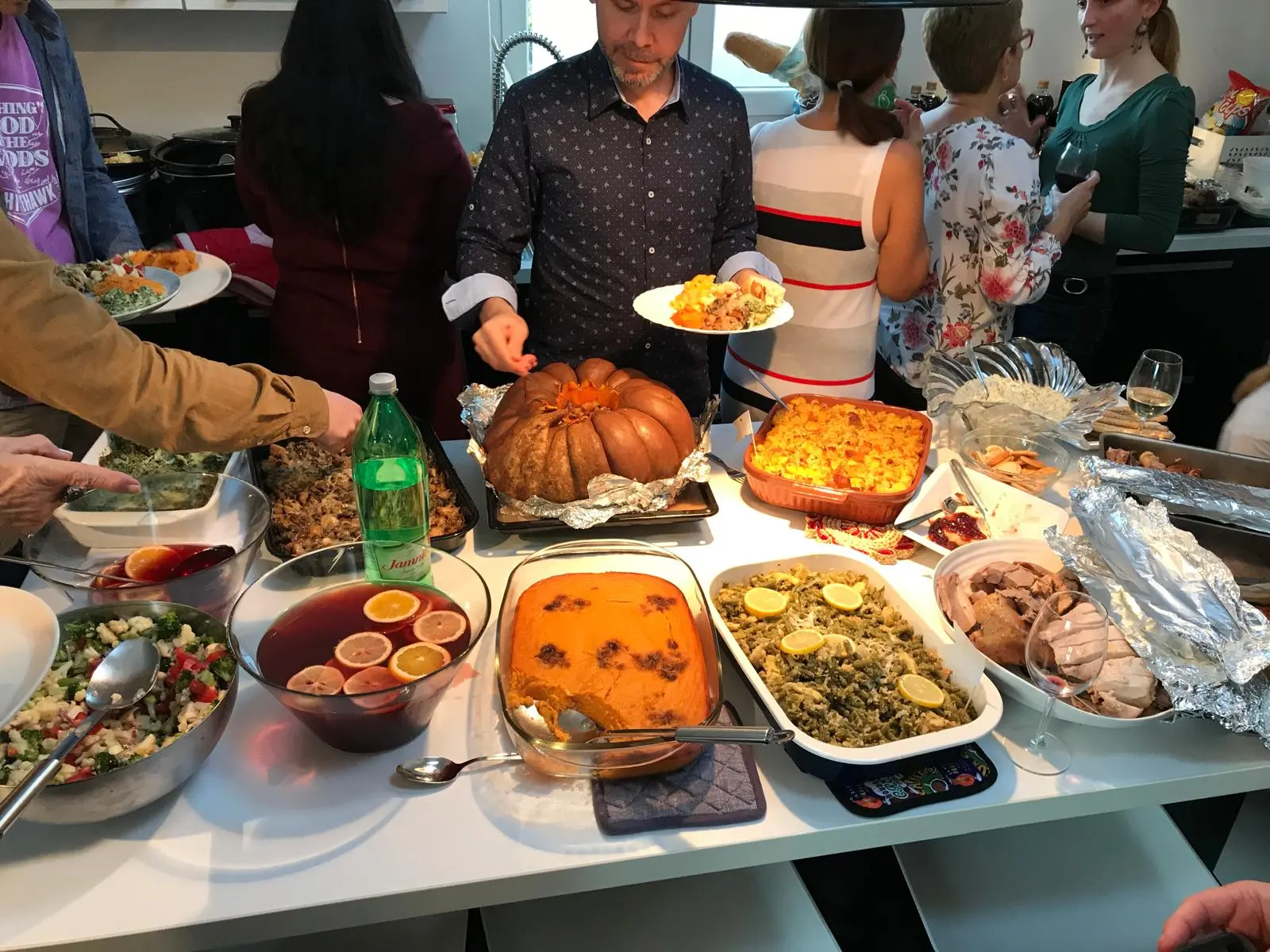
Melissa Paul: I have a couple favorites. The first is a group walk. Walking side by side is non-threatening, you can talk with many different people, listen and learn, and it's casual, with no fussy clothes and no expectations. The second is any event in someone's home. Food is usually a big part of it, and it feels warm, approachable and real. Our Food & Wine Club has offered exactly that, with themed dinners that everyone brings a dish to share for, anyone can host, and many members love it for that reason.
Fjaka: What is your number one piece of advice for someone who has just unpacked their bags in Istria? Where should they start to catch the right rhythm of this place?
Melissa Paul: As with everything in life, you get out what you put in. Start with your local coffee bar. Go back to the same one, sit for longer than feels necessary. Say hello to everyone, preferably in Croatian, and smile. Within a few weeks people will know your face, and that's where belonging starts.
Then say yes to the first invitation you get, and go, even if you're tired or don't know anyone. Especially if you don't know anyone. Come to a coffee meetup. Join a walk, which is one of the easiest ways to meet lots of people at once. Bring a dish to an at-home food event. Try a couple of events and see what feels right. Istria rewards people who show up, whether that's with your neighbors or with other foreigners.
Ask questions, often, all the time, and especially of your neighbors. People here respond to being needed. They want to be useful and helpful. And be visible. Sweeping my front steps and saying hello as my neighbors passed was a game changer for me. I still remember asking my neighbor for a dustpan. Three hours later I went home with a full belly and a little tipsy from her homemade rakija.
And finally, let the place set the pace. Things here move more slowly than you're used to, and that isn't a problem to solve. It's the gift. The sooner you stop fighting it, the sooner Istria starts to feel like home. It certainly did for me.